
Clear scope before demolition
You get a written plan that identifies the affected areas, the likely moisture source, and what materials typically need removal versus cleaning.
Serving Riverside, California & surrounding areas
24/7 Emergency Response
Mold remediation in Riverside, CA
If you smell a musty odor, see staining, or had a recent leak, act quickly. Our certified team isolates the affected area, removes contaminated materials safely, and documents the work so you can move forward with confidence.
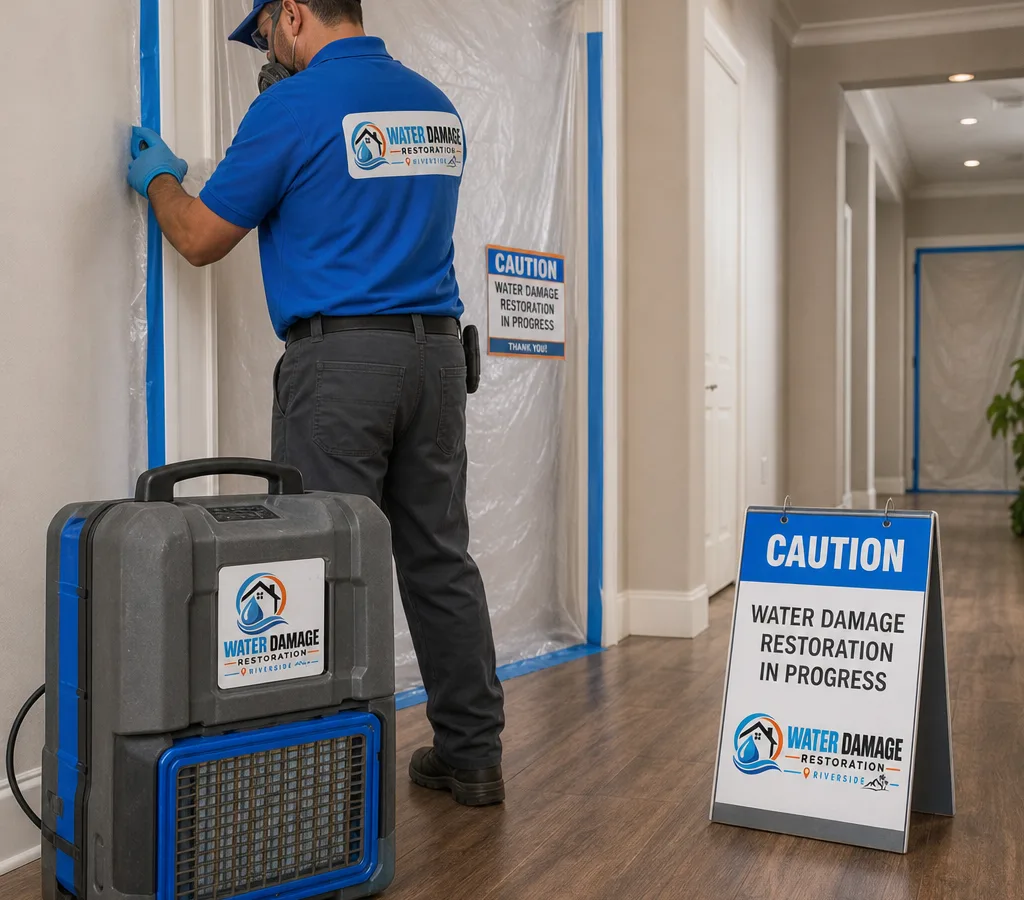
Searching for mold remediation Riverside CA usually means something already feels wrong indoors: persistent odors, allergy-like symptoms, or a wall or ceiling that never fully dried after a plumbing leak. The fix is not bleach on the surface. Mold spores spread when disturbed, and moisture behind drywall, under flooring, or inside a closet wall can keep feeding regrowth.
Water Damage Restoration Riverside provides mold remediation for homes and commercial spaces in Riverside (ZIP 92502). We focus on controlled removal, source correction planning, and written documentation of what was found and what was done.
Riverside's hot summers and widespread air conditioning use can create condensation and humidity pockets around supply registers, in closets that stay shut, and at exterior walls that see big temperature swings. After any water event, time matters because materials like drywall and carpet padding can hold moisture out of sight.
Controlled mold removal
A proper remediation is a jobsite process with safety controls, not a single product.
Inspection and moisture mapping: We look for the wet path and the hidden reservoir using a moisture meter and visual inspection. If the moisture source is still active—such as a slow plumbing leak, condensation issue, or roof intrusion—remediation will not last until that cause is addressed.
Containment and negative air: We isolate the work area with poly sheeting and run negative air machines with HEPA filtration to keep spores from migrating into living spaces, hallways, and HVAC returns.
Safe removal and cleaning: Porous materials with growth, often drywall, insulation, carpet pad, and some ceiling tiles, are removed and bagged for disposal. Remaining surfaces are HEPA vacuumed and wiped with appropriate cleaning agents.
Drying and verification: Drying is part of mold remediation because moisture drives the problem. We confirm materials are dry enough to rebuild and provide a clear scope for needed restoration work.
If the original damage was related to a leak or flooding, start with an overall plan for water damage restoration so drying, containment, and repairs stay coordinated.
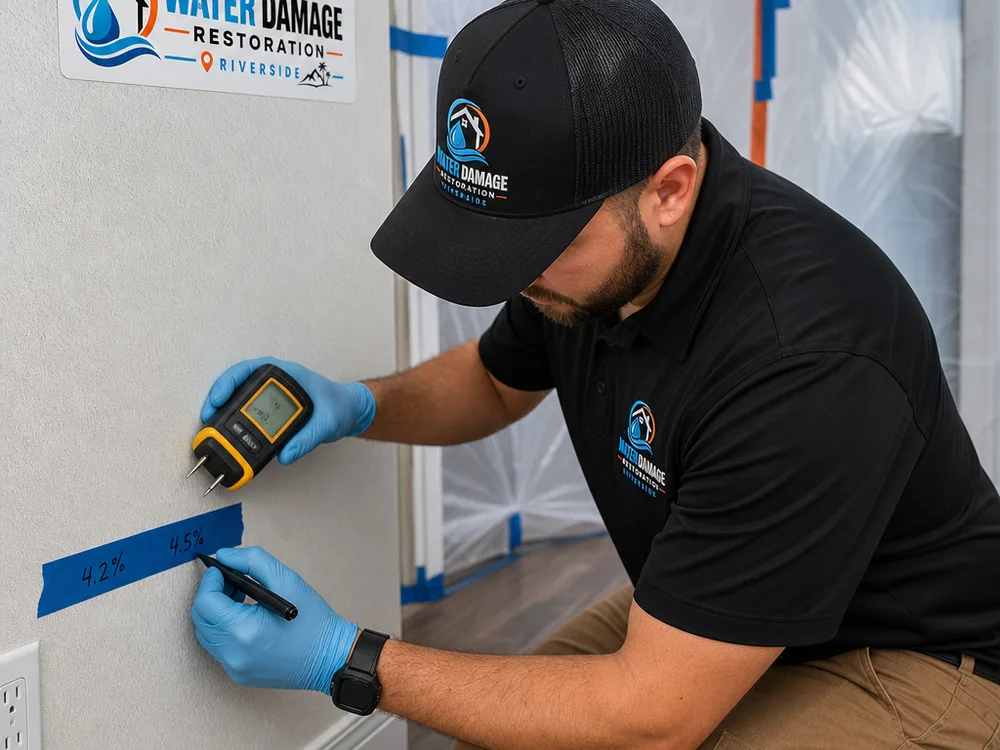
Orderly, documented remediation
You get a written plan that identifies the affected areas, the likely moisture source, and what materials typically need removal versus cleaning.
We use containment, HEPA filtration, and proper PPE so the rest of the building stays protected while work is underway.
We pay attention to returns, supply vents, and closet-to-attic pathways that can move spores. If an HVAC issue is suspected, we note it so it can be addressed.
Photos and notes are organized around what was found, what was removed, what was cleaned, and what drying steps were taken.
When the building is lived in or in use, we plan access, noise, and containment entry points to keep disruption manageable.
We identify visible growth, odor areas, and likely moisture sources. We also check for conditions that change the plan, such as cramped crawlspaces, shared walls, or limited access to the affected cavity.
We map moisture so the removal is targeted, not guesswork. This is where we decide how far containment needs to extend and where negative air should exhaust.
We build containment with a zipper door or sealed entry and establish negative pressure with HEPA filtration. This step prevents cross-contamination during demolition and cleaning.
We remove impacted porous materials, then HEPA vacuum and wipe remaining framing and hard surfaces. If there is growth on structural wood, we address it with mechanical cleaning as needed.
We confirm the area is dry and stable. You receive documentation and a straightforward outline of what needs to happen next, including repairs, repainting, flooring replacement, or ongoing moisture corrections.
Riverside remediation pricing
Mold remediation in Riverside typically ranges from about $1,500 to $6,000 for many residential projects, with small, contained areas sometimes closer to $750 to $1,500 and larger multi-room or HVAC-involved jobs reaching $8,000 to $15,000+. Final cost depends on how much material must be removed, how hard it is to access the growth—such as an attic, crawlspace, or area behind cabinets—how extensive containment needs to be, and whether active moisture is still present. Exact pricing is confirmed after an on-site inspection and moisture mapping.
Request Emergency ServiceControlled work in view
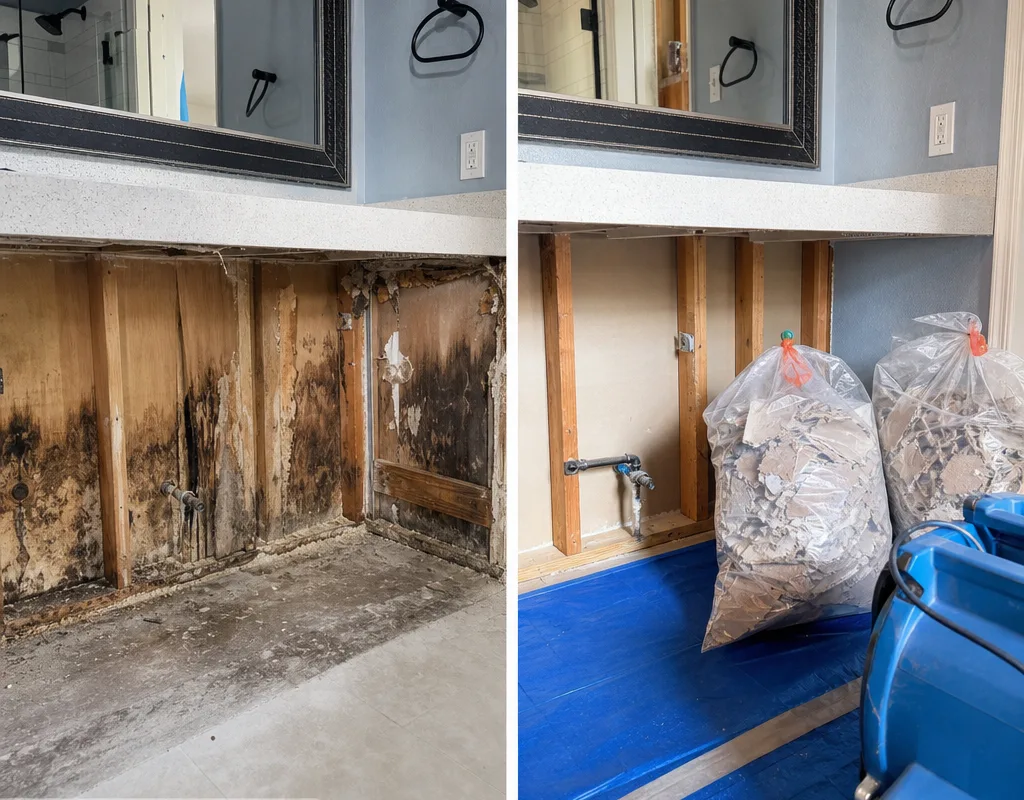
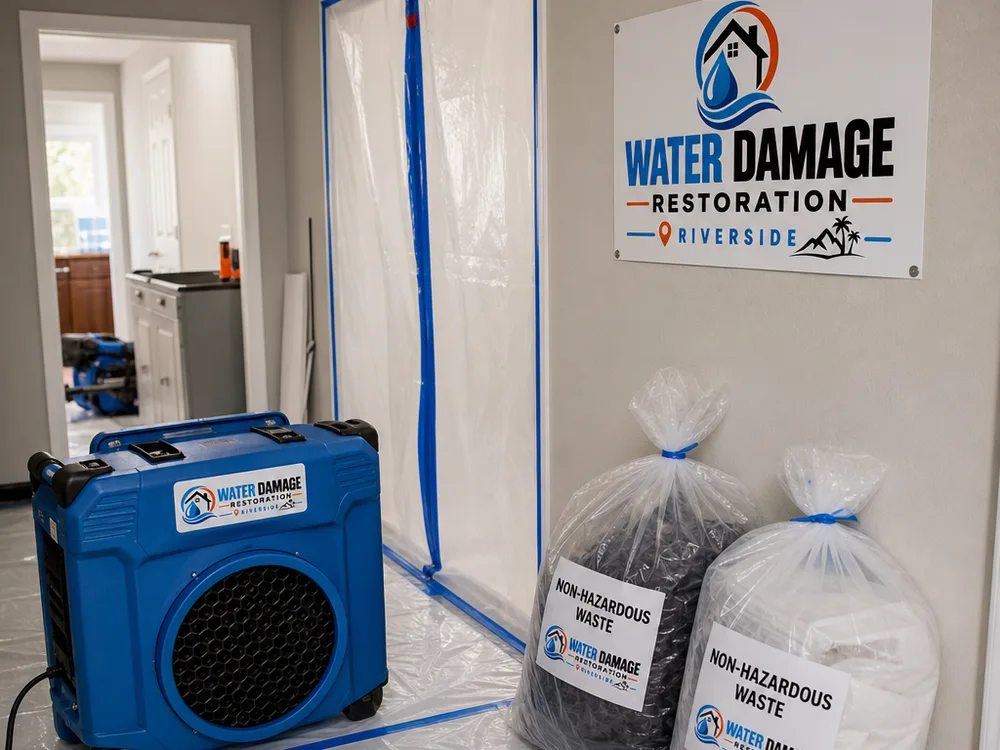
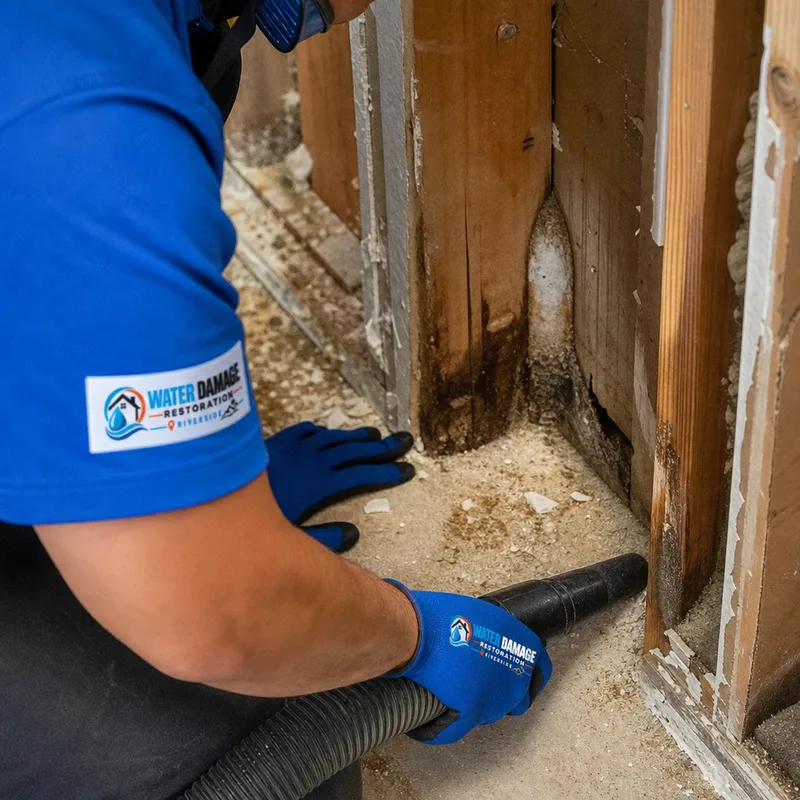
If you are unsure whether you need full mold remediation or just targeted removal, start with an inspection and a written scope so you know exactly what is affected and why.
Call for Emergency HelpPractical next steps
In many situations we can begin quickly once an inspection confirms the scope, because containment and air control are the first priority. If the moisture source is still active, the start plan may include immediate drying steps and a coordination note for the repair that stops the leak or intrusion.
You do not always need lab testing to remediate; visible growth and moisture conditions can be enough to justify containment and removal. Testing can help when the affected area is unclear, when documentation is needed for a third party, or when you want baseline and post-work comparison; we can discuss what type of sampling fits the situation.
Mold returns when moisture returns, so the long-term result depends on fixing the water source and keeping materials dry. A good remediation removes contaminated porous materials, HEPA cleans remaining surfaces, and includes drying and moisture verification before rebuild.
Many occupied homes can remain in place when the work area is properly contained and negative air is maintained, but it depends on where the growth is and who lives there. Households with asthma, severe allergies, or immune concerns may need extra precautions, and we will explain realistic options after we see the layout.
We often find mold in bathrooms, around laundry areas, in closets on exterior walls, and anywhere a past leak left materials damp behind finishes. In Riverside's heat, air conditioning can also create condensation around ducts and registers, which is why we pay attention to airflow paths and returns during the assessment.
Yes. We document the affected areas, containment setup, removal steps, and cleaning and drying actions with notes and photos so you have a clear record of the remediation work performed.
Tell us what you are seeing—odor, staining, a recent leak, or a failed DIY cleanup. We will assess the affected area in Riverside, explain the containment plan, and provide a written scope so you can restore safe indoor air and move on to repairs.